
How we monitor and protect Wales’ bathing waters

Protecting and monitoring Wales’ bathing waters is one of our key responsibilities.
These sites are valued places for people to swim, paddle, surf and spend time outdoors. In 2026, there are 114 designated bathing water sites and our annual monitoring programme is underway.
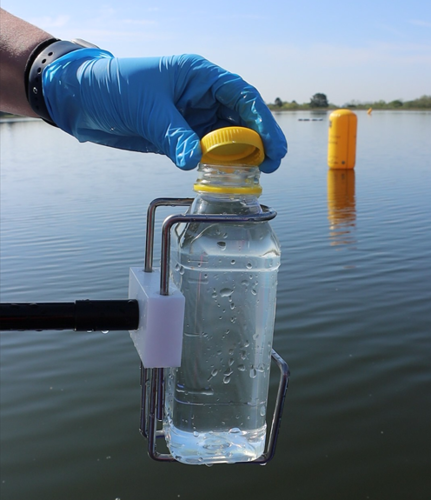
Each site is visited by our teams at least eight times during the bathing water season, which runs from 1 May to 30 September. Samples are collected and sent to our laboratory to test for two types of bacteria that indicate contamination from human or animal waste: Escherichia coli (E. coli) and intestinal enterococci (IE).
At the end of the season, the data is analysed alongside results from the previous three years to classify the bathing water quality at each site. Classifications range from Excellent and Good to Sufficient and Poor. The results are published annually by Welsh Government and are available on the Bathing Water Data Explorer on NRW’s website.
Designated bathing waters are the only waterbodies in Wales that are routinely monitored and classified in this way. They include both coastal waters and inland sites, such as rivers, lakes and reservoirs.
Every designated bathing water has a classification, however it is important to understand this is not a real-time measure of water quality. Classifications are based on data collected over defined periods during the bathing season and focus only on specific bacterial indicators. This means they do not reflect everything that may be present in the water on a particular day.
Water quality can also change quickly, even at sites classified as Excellent. Bathing waters respond to conditions such as river flows, discharges and runoff from the land. During and after rainfall, contaminants can be washed into rivers and the sea from a range of sources, including sewage, agriculture and urban areas.
We regulate the activities of water companies in Wales, including issuing permits that control what can be discharged into the environment. Storm discharges - often referred to as CSOs - are designed to operate only during periods of heavy rainfall, when sewer systems are under increased pressure. While they help prevent sewage from backing up into homes, they can temporarily affect water quality.
Alongside this, our teams visit farms and businesses to carry out pollution control checks and provide advice and guidance. This work helps ensure legal requirements are met and reduces the risk of pollution entering watercourses. At some sites, pollution risk forecasting is also used to identify when water quality may deteriorate, with local authorities putting up signs when poor water quality is forecast.
Over recent decades, bathing water quality across Wales has improved significantly, reflecting long-term collaboration with water companies, local authorities, landowners and other partners. In 2025, 110 out of 112 designated bathing waters met the required standards. Of these, 78 bathing waters were rated Excellent, 26 were Good and six were Sufficient, with work ongoing at the two Poor sites to find the causes and improve water quality.
While progress continues, protecting and improving bathing waters remains an ongoing priority to safeguard these important places for people, wildlife and the wider environment.
Before visiting a bathing water site
- Check the bathing water classification by clicking on Find a Bathing Water
- Look for any local advice or warnings for the site
- Check the weather forecast, particularly after heavy or prolonged rainfall
- Be aware water quality can change quickly, even at sites classified as excellent
- Consider conditions on the day, including recent rain, river flows and water clarity